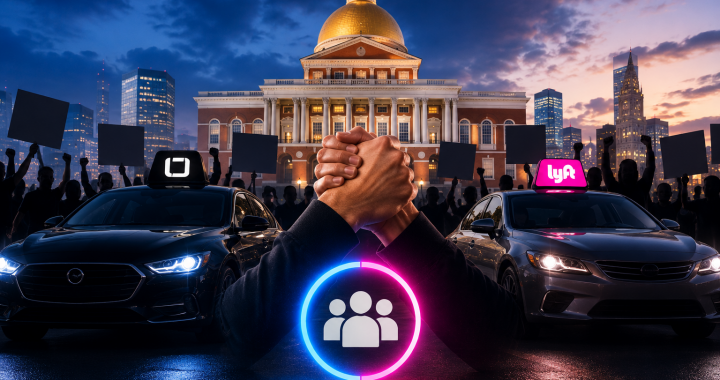
Reclamos choferes - über - Lyft

Why Rideshare Drivers in America Struggle to Win Their Fight Against Uber and Lyft

?Why Rideshare Drivers in America Struggle to Win Their Fight Against Uber and Lyft.

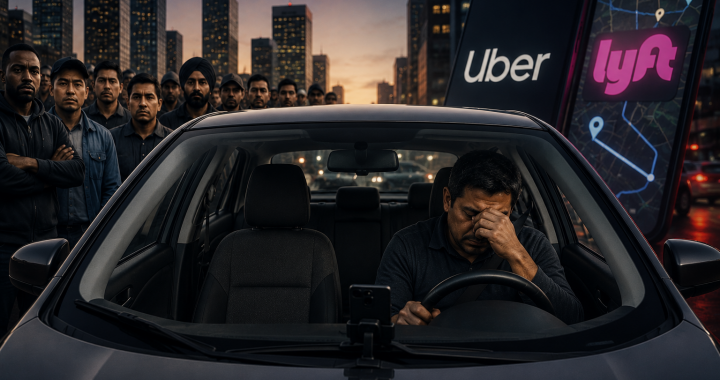
For years, rideshare drivers across the United States have organized protests, strikes, and online campaigns demanding better treatment from companies such as Uber and Lyft. Yet despite these efforts, meaningful changes remain difficult to achieve.

The problem is not simply the power of the rideshare companies. One of the biggest obstacles is the lack of unity among drivers themselves. Cultural differences, economic realities, government regulations, and algorithmic control all contribute to making collective action extremely difficult.

Different Cultures, Different Priorities

The American rideshare workforce is one of the most diverse labor groups in the country. Drivers come from Africa, Asia, Europe, the Caribbean, Central America, South America, and many other regions of the world.

While diversity is one of America’s greatest strengths, it can also create challenges when drivers attempt to organize around common goals.

Many immigrant drivers support families not only in the United States but also in their countries of origin. However, the cost of living varies dramatically from one country to another. For some drivers, the income generated through Uber and Lyft is more than enough to support their families abroad. For others, especially those supporting relatives in higher-cost regions, the financial pressure is much greater.

As a result, drivers often have very different expectations regarding what constitutes fair pay. When calls for strikes or protests arise, many drivers choose not to participate because they are satisfied with their current earnings. This weakens collective bargaining efforts and makes it easier for the platforms to ignore driver complaints.

The Problem of Expectations

When Uber and Lyft first entered the market, drivers enjoyed exceptionally high earnings. There were fewer vehicles on the road, less competition, and fewer restrictions imposed by platform algorithms.

Drivers could work as many hours as they wished and often earned significantly more than the average worker in many professions.

Over time, however, the industry changed. More drivers joined the platforms, competition increased, and sophisticated algorithms began controlling ride distribution and earnings opportunities.

Many drivers compare today’s income levels to those early years and feel disappointed. While earnings have certainly declined in many markets, part of the frustration comes from expectations formed during a period that may never return.

Government Intervention and the Equalization Effect

In New York City, the Taxi and Limousine Commission (TLC) introduced regulations designed to guarantee minimum hourly earnings for rideshare drivers.

While policymakers view these rules as a victory for workers, many drivers believe the regulations have produced unintended consequences.

According to numerous drivers, ride assignment algorithms now prioritize income equalization among drivers. In practice, this means a driver who has already earned above a certain threshold may receive fewer ride requests, while another driver receives priority.

Many drivers report situations where they are physically closer to a passenger but do not receive the trip because the algorithm is attempting to balance earnings across the driver network.

Critics argue that this system discourages experience, strategy, and efficiency. Whether a driver is highly skilled or completely new to the business, the algorithm increasingly influences earning opportunities.

The Real Issues Drivers Should Be Fighting For

While many drivers focus primarily on fares and pay rates, there are other concerns that may be even more important.

One of the most significant issues is transparency.

Many drivers are required to accept ride requests without having access to complete information about the trip. Refusing too many rides can reduce acceptance rates and may result in the loss of certain platform privileges.

Drivers should have the right to know key details about a trip before accepting it. This information is essential for planning their day, managing fuel costs, scheduling family obligations, and deciding which areas they want to work in.

A driver may need to pick up a child from school, meet a spouse after work, or remain within a particular neighborhood. Yet by accepting trips without full information, they can find themselves 30 or 40 miles away from where they intended to be.

In many cases, the lack of trip transparency costs drivers more money in fuel, tolls, and unpaid return miles than a small fare increase would compensate for.

Many people enter rideshare driving seeking flexibility and independence. Ironically, some end up feeling controlled by algorithms that dictate where they work, when they work, and how much information they are allowed to see.

Conclusion

The challenges facing rideshare drivers in America go far beyond hourly pay.

Cultural differences, conflicting economic interests, government regulations, and platform algorithms all contribute to a fragmented workforce that struggles to organize effectively.

If drivers hope to achieve meaningful reforms, they may need to focus less on short-term fare increases and more on transparency, freedom of choice, and the right to make informed decisions about their work.

Until then, Uber and Lyft will likely continue to maintain the upper hand in the ongoing debate over the future of rideshare driving in America.

Tools drivers issues

Rideshare Drivers Under Pressure: NJ and NY Toll Enforcement Fines Uber & Lyft Drivers for Low E-ZPass Balances

Uber and Lyft drivers operating between New York and New Jersey are facing increasing financial pressure due to new toll enforcement measures implemented by regional transportation authorities. What was once an occasional inconvenience has now become a costly problem: drivers are being fined $50 each time they cross a toll without sufficient funds in their E-ZPass accounts**—even when the crossing happens while transporting passengers.

A Growing Problem for Cross-State Drivers

Many rideshare drivers regularly travel between NYC and New Jersey, especially through heavily used crossings such as:

  • George Washington Bridge
  • Lincoln Tunnel
  • Holland Tunnel
  • NJ Turnpike toll roads

With the rise of cashless tolling systems, toll agencies now rely entirely on E-ZPass or license-plate billing. Under the new enforcement approach, if a driver’s E-ZPass balance is too low at the moment of crossing, the system automatically flags the transaction and issues a $50 violation, particularly on the New Jersey side.

For drivers who make multiple crossings in a single day, these fines can **add up quickly**, sometimes reaching hundreds of dollars in a single week.

Why Drivers Are Being Hit So Hard

Several factors make rideshare drivers especially vulnerable to these fines:

  1. Inconsistent Earnings
  2. Delayed Toll Reimbursements
  3. While Uber and Lyft often charge passengers for tolls, reimbursements to drivers are not always immediate. In some cases, drivers report tolls being added to fares after the trip, while the toll authority requires payment instantly.

  4. Lack of Real-Time Alerts
  5. Many drivers are not notified in real time when their E-ZPass balance runs low. By the time they realize it, the fine has already been issued.

  6. No Grace Period

Under the new enforcement rules, there is little to no grace period for low balances. Even a shortfall of a few dollars can trigger the full $50 penalty.

Financial Impact on Drivers

For independent contractors already dealing with:

  • High fuel costs
  • Vehicle maintenance
  • Insurance expenses
  • Platform service fees

These toll fines feel like an unfair additional tax on working drivers.

Some drivers argue that the policy disproportionately affects low-income and full-time rideshare drivers, who may cross tolls multiple times per shift just to meet passenger demand.

Calls for Reform and Better Coordination

Drivers and advocacy groups are increasingly calling for:

  • Better coordination between Uber, Lyft, and toll authorities
  • Automatic toll balance alerts
  • Grace periods for low E-ZPass balances
  • Fine reductions for first-time or low-balance violations
  • Integrated toll management directly within driver apps

Many believe that if rideshare platforms depend on toll crossings to operate efficiently, they should also play a larger role in preventing drivers from being penalized.

What Drivers Can Do Right Now

Until changes are made, drivers are advised to:

  • Monitor E-ZPass balances daily
  • Enable auto-replenishment with a higher minimum balance
  • Keep records of toll reimbursements from Uber and Lyft
  • Dispute fines when tolls were incurred during active trips

Final Thoughts

The new toll enforcement measures in New York and New Jersey highlight a growing disconnect between modern Rideshare work and traditional transportation policies. While cities aim to modernize toll collection and enforcement, the burden is increasingly falling on drivers who are simply trying to earn a living.

Without reforms or better integration, these $50 fines risk pushing many drivers further into financial strain—raising serious questions about fairness, accountability, and the future of rideshare work in the region.

taxis-insurance

Say Yes to Saving on FHV Insurance: Uber Campaign to help Drivers to save hundreds of dollars on taxis Insurance

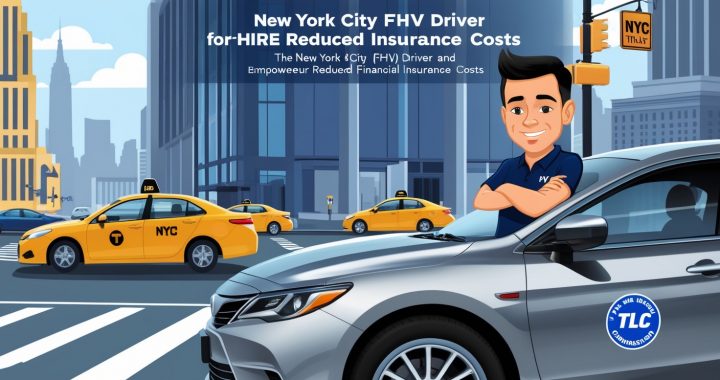
As a for-hire vehicle (FHV) driver in New York City, you could save around $600 a year on insurance—a significant relief in these challenging times. Here’s what you need to know about an important opportunity to advocate for change.

The Burden of PIP Insurance in NYC

Did you know that NYC FHV drivers are required to carry more Personal Injury Protection (PIP) insurance than any other driver in the state, including Uber drivers outside the five boroughs?

The NYC Taxi and Limousine Commission (TLC) mandates that FHVs carry $200,000 worth of PIP insurance—four times what New York State requires for most drivers. This rule is entirely arbitrary, with no evidence suggesting that NYC FHV drivers pose a greater risk than the average motorist. In fact, FHV drivers undergo rigorous vehicle inspections four times a year—far more than personal vehicle owners.

A Path to Fairness

New York City Councilwoman Carmen de La Rosa has introduced a bill to address this unnecessary burden. The proposed legislation would lower the PIP insurance requirement for FHV drivers to $50,000—aligning it with the state standard. This change could save drivers an estimated $600 annually.

Why This Matters Now

Insurance rates are already on the rise. Insurers are increasing premiums by 5-20% starting in March, with more hikes expected in the future. For FHV drivers, every dollar of savings counts, especially as operating costs continue to climb. Lowering the PIP insurance requirement could provide much-needed financial relief to drivers across the city.

Make Your Voice Heard

The City Council needs to hear directly from FHV drivers like you. Supporting this bill could lead to substantial savings and ensure fair treatment for hardworking drivers. Share your story, reach out to your local council members, and let them know why this change is critical.

Let’s work together to advocate for a system that supports drivers, promotes fairness, and reduces unnecessary expenses.

Say yes to saving on FHV insurance today! Click here to email your Councilmember

uber Lyft

Uber and Lyft Agree to $328M Settlement Over Alleged Earnings Theft from NY Drivers

Uber and Lyft have agreed to pay a combined $328 million to settle accusations from New York Attorney General Letitia James that the ride-sharing giants were “stealing earnings” from thousands of drivers in New York City over several years. The settlement includes $290 million from Uber and $38 million from Lyft, covering back pay, paid sick leave, proper hiring and earnings notices, and other improvements to drivers’ working conditions.

Attorney General James announced that more than 100,000 drivers throughout New York are entitled to receive settlement funds, with an average payout of $3,280. However, drivers who began after 2017 are not eligible for additional payments. Along with the settlement, Uber and Lyft have agreed to provide new benefits for leave, payment, training, and job support, including up to one week of paid sick leave per year, effective no later than February 29, 2024.

Eligible drivers can file claims to receive the additional funds they are owed. The settlement concludes multi-year investigations into Uber and Lyft, which found that the companies’ policies withheld hard-earned pay from drivers and prevented them from receiving valuable benefits available under New York labor laws.

“For years, Uber and Lyft systematically cheated their drivers out of hundreds of millions of dollars in pay and benefits while they worked long hours in challenging conditions,” said Attorney General James. “These drivers overwhelmingly come from immigrant communities and rely on these jobs to provide for their families.”

Uber responded to the settlement with a statement outlining a new benefits model for its drivers, calling the agreement a win for drivers across New York State. Lyft’s Chief Policy Officer, Jeremy Bird, also praised the settlement, expressing a commitment to providing New York drivers with the independence and full range of benefits available to those in other states like California and Washington.

Forms on the attorney general’s website indicate that Uber drivers seeking back pay must have been employed by the app between November 10, 2014, and May 22, 2017, while Lyft drivers entitled to a portion of the settlement must have driven for the company in New York state between October 11, 2015, and July 31, 2017.

The settlement comes amid rising concerns over fare prices during peak times. Recently, some customers reported Uber and Lyft prices soaring well over $100 during a rush-hour rainstorm that shut down large parts of New York City’s subway system. Over the summer, Uber’s CEO was surprised by a $51.69 fare for a less-than-three-mile drive in Manhattan.